
Beyond the Prescription: A Naturopathic Guide to Boosting GLP-1 Naturally
Natural GLP-1 vs. medications.
GLP-1 (glucagon-like peptide-1) is a hormone released by the small intestine after you eat. It plays an important role in regulating blood sugar, appetite, and digestion.
In recent years, GLP-1 has gained attention due to medications which mimic or enhance its effects and are increasingly prescribed for blood sugar control and weight management. Unfortunately these medications do not replace lifestyle changes that reset the body for life.
GLP-1 medications are not a guaranteed solution for weight loss. Even when using them, diet and lifestyle changes remain essential for achieving and maintaining results. While GLP-1 medications can have stronger effects—especially at higher doses—natural stimulation offers more modest benefits. However, it comes without medication costs or potential side effects and still supports overall health.
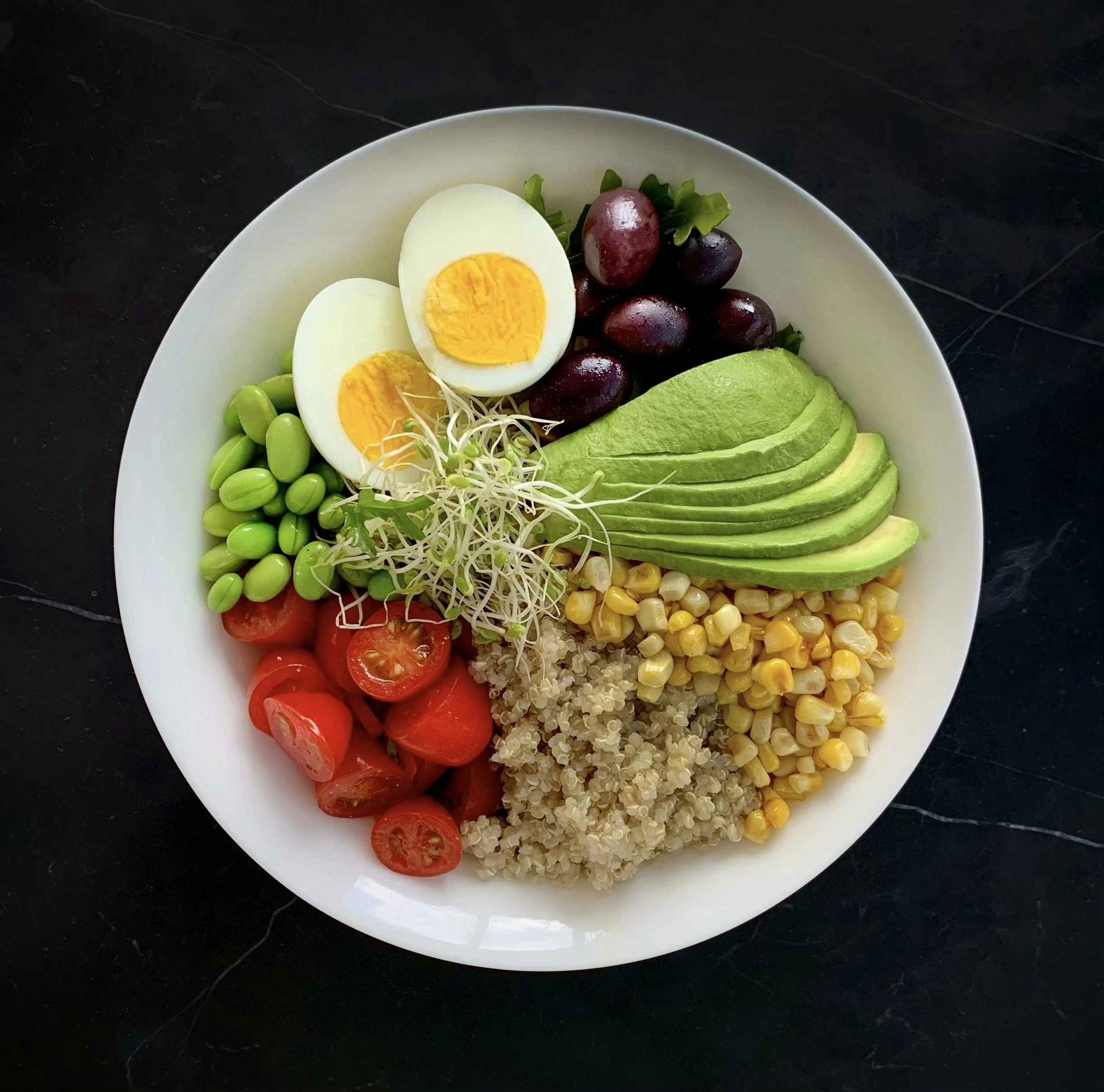
Ways to support your GLP-1 naturally:
1. Eat foods that promote GLP-1 release
Protein
Examples: lean meats, poultry, fish, eggs, yogurt, beans, lentils, nuts, seeds, soyHealthy fats
Examples: olive oil, avocados, walnuts, chia seeds, flaxseeds, fatty fish (salmon, mackerel, sardines)Fiber
Examples: steel cut oats, barley, legumes, vegetables (asparagus, carrots, Brussels sprouts), fruits (apples, pears), chia and flaxProbiotics & fermented foods
Examples: yogurt, kefir, sauerkraut, kimchi, miso, tempeh, sourdoughDark chocolate (70%+ cacao)
2. Optimize how you eat
Eating patterns
GLP-1 follows a daily rhythm, with higher levels during the day. Eating at regular times and within a consistent window (e.g., 12 hours) may help regulate it.Meal order
Eating protein, fat, and fiber before carbohydrates can boost GLP-1 response and improve blood sugar control.Eating behavior
Slower, more mindful eating can enhance GLP-1 release and reduce food intake.
3. Lifestyle factors that matter
Stress
Chronic stress (via cortisol) can reduce GLP-1. Stress management—like journaling, time in nature, and good sleep—can help.Exercise
Both aerobic and resistance training can increase GLP-1 levels. Consistency is key.Sleep
Poor sleep can disrupt GLP-1 timing and appetite regulation.
Remember, consistency is far more powerful than perfection. You don’t need to overhaul your entire lifestyle overnight—start by picking just one or two strategies from this list to focus on this week.
